
Why Meal Plans Don’t Work and What Actually Does
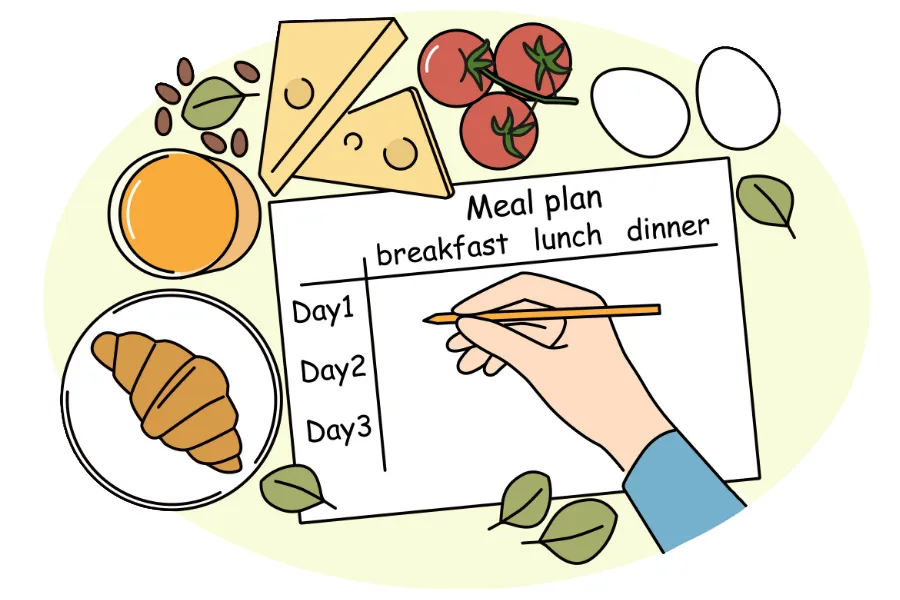
When I meet with many clients for their initial nutrition consultation, I am often asked if I provide meal plans. The short answer is usually… “NO, I DON’T.”
If you’ve ever followed a meal plan perfectly for two weeks only to fall off track, feel guilty, and promise yourself you’ll “start again Monday,” you’re not alone.
The truth is that most meal plans fail not because people lack discipline, but because the approach itself is flawed.
Here’s why:
1. Meal Plans Don’t Teach Real-Life Eating
A meal plan tells you what to eat. What it usually doesn’t teach you is:
- how to make choices when life changes
- how to eat at restaurants
- how to handle cravings
- how to navigate stress or emotional eating
- how to eat without tracking every gram forever
Real transformation happens when people learn skills, strategies and nutrition education they can apply in everyday life.
2. Life Isn’t Predictable
Rather than eliminating foods, aim to increase diversity, especially plant-based foods. A widely supported goal is to aim for 30 different plant foods per week, which helps feed a thriving gut microbiome.
Most meal plans are built for ideal conditions:
- perfectly timed meals
- fully stocked kitchens
- no travel
- no social events
- no stress
But real life includes:
- busy workdays
- family dinners
- vacations
- restaurant meals
- skipped meals
- emotional days
- unexpected schedules
A rigid plan often falls apart the moment real life shows up.
Sustainable nutrition should adapt to your lifestyle — not force your lifestyle to revolve around food.
3. Restriction Creates Rebound
Many meal plans rely on restriction:
- cutting carbs
- eliminating favorite foods
- eating very low calories
- labeling foods as “good” or “bad”
At first, this can feel motivating, but eventually, restriction often leads to:
- cravings
- overeating
- guilt
- binge cycles
- feeling constantly “off track”
4. Ownership and Accountability is Key
A lot of nutrition programs unintentionally create dependence: “Just follow this exact plan.” But what happens when the plan ends?
Many people feel lost because they never learned:
- portion awareness
- how to recognize hunger and fullness cues
- flexibility with food choices and swaps
- confidence around food
- how to build balanced meals independently
The goal shouldn’t be lifelong dependence on a nutritionist. The goal should be long-term sustainability, confidence and the ability to make informed choices independently
5. Consistency Beats Perfection
One perfect week of eating means very little. What truly changes health long-term is:
- consistent habits
- flexible structure
- sustainable routines
- the ability to recover quickly after imperfect days
People don’t fail because they had pizza on Friday. They struggle because one imperfect meal turns into: “I already ruined everything.” All-or-nothing thinking destroys progress far more than food ever does.
That’s why I encourage an 80/20 philosophy — focusing on consistency rather than perfection.
So What Actually Works?
The clients who succeed long-term usually focus on:
- building habits gradually
- understanding food labels
- improving nutrition education and awareness
- prioritizing protein and whole foods
- creating routines they genuinely enjoy
- developing a healthier relationship with food
Having promoted intermittent fasting for many years, I now believe that eating breakfast is beneficial and I recommend it as part of a healthy routine.
Instead of asking: “Can I follow this plan perfectly?” a better question is: “Can I realistically live this way for years?”
Sustainability is the real strategy.
Final Thought
Meal plans can be useful as temporary structure, but structure alone is not transformation. Real results come from education, flexibility, self-awareness and habits that fit real life.
The best nutritional approach isn’t the strictest one, it’s the one you can maintain without constantly starting over.
Marsha Fenwick, C.N.P. R.R.T.
Marsha is not your typical nutritionist. She began her career 20 years ago as a Registered Respiratory Therapist. Later, she earned her certifications as a Registered Nutritional Consultant Practitioner, Certified Nutritional Practitioner, and Registered Orthomolecular Health Practitioner. Marsha is also a Certified Cancer Coach. Her clinical practice specializes in: sustainable healthy weight loss, digestive health, women's hormones, diabetes, heart health, and cancer prevention and recovery. Contact Marsha today for more information and to book a FREE 15 minute nutritional consultation.