Gut Health in 2026: What the Trends Mean for You
Gut health continues to receive considerable attention in 2026. From fibre-enriched foods and fermented drinks to probiotics and personalized nutrition, there is plenty of interest—and plenty of confusion.
In my practice, I often see clients who feel they are doing everything “right” yet still struggle with bloating, constipation, irregular bowel movements or discomfort after eating. Others have cut out so many foods that they no longer know what to eat.
These concerns can affect more than digestion. They can make dining out stressful, complicate travel and take away the enjoyment of everyday meals.
Here are some of the conversations I believe deserve more attention:
1. Fibre matters, but how we introduce it matters too
The growing interest in fibre is encouraging. However, suddenly adding large salads, beans, bran and fibre supplements can leave someone feeling worse.
For clients with sensitive digestion, I look at the type of fibre, the amount they currently eat and how quickly we can comfortably increase it. For example, Soluble fibre, found in foods such as oats, can be particularly helpful for some people while not for others.
A gradual approach, alongside adequate fluids, is often more manageable than trying to reach a target overnight.
2. A more personalized approach to probiotics
Probiotics are often marketed as a solution for almost any digestive complaint. The research is more specific: their effects depend on the strain, the condition being treated and the individual.
A probiotic that helped a friend may not help you.
Before recommending another product, I want to understand the symptoms, bowel patterns, eating habits and any medical findings.
3. Plant variety, with room for individual tolerance
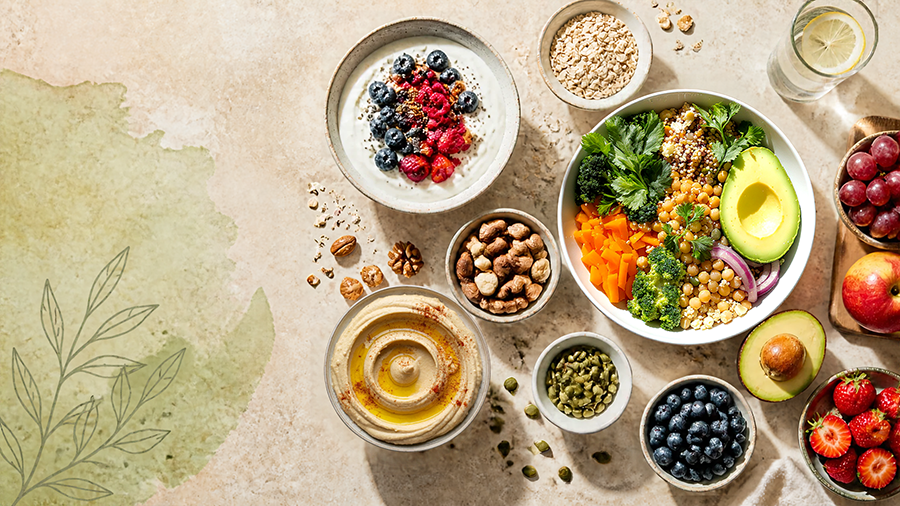
A varied plant-based diet provides different fibres and nutrients that support our gut microbes. This can include vegetables, fruit, whole grains, legumes, nuts and seeds.
Someone who struggles with raw vegetables may tolerate cooked vegetables more comfortably. A small portion of lentils may work better than a large bowl. Gradual additions can help build variety without making meals overwhelming.
Fermented foods such as yogurt and kefir can also fit into a nourishing diet if tolerated. Research is promising, but they are not a guaranteed treatment for digestive symptoms.
4. Moving beyond endless food elimination
Many clients arrive having removed several other foods in an effort to feel better. Sometimes a targeted dietary change is useful; sometimes the restrictions continue without a clear benefit.
For certain people, like those with IBS, a structured approach can help identify triggers. It should include a short restriction phase, followed by reintroduction and personalization.
The long-term goal is the broadest, most nourishing diet a person can comfortably tolerate.
5. Paying attention to how we eat
Food choices are only part of the picture. Eating quickly, having very large meals or frequently drinking carbonated beverages can contribute to gas symptoms for some people.
I help clients look at these everyday patterns alongside what is on their plate. Small changes, such as sitting down to eat, slowing the pace or adjusting meal size, can be practical places to start.
Where nutrition can make a difference
My approach begins with listening to: what you eat, when symptoms occur, how your bowels are functioning and what you have already tried. From there, we make realistic changes, monitor your response and adjust.
Nutrition can help manage symptoms and improve the quality and variety of your diet. Persistent or changing symptoms also deserve medical assessment, and I work alongside your healthcare team when further investigation is needed.
For me, the most useful direction in gut health is care that helps you feel more comfortable, more nourished and more confident around food.
If digestive symptoms are making eating complicated, let’s work together to find a practical way forward. Contact me today!
Marsha Fenwick, C.N.P. R.R.T.
Marsha is not your typical nutritionist. She began her career 20 years ago as a Registered Respiratory Therapist. Later, she earned her certifications as a Registered Nutritional Consultant Practitioner, Certified Nutritional Practitioner, and Registered Orthomolecular Health Practitioner. Marsha is also a Certified Cancer Coach. Her clinical practice specializes in: sustainable healthy weight loss, digestive health, women's hormones, diabetes, heart health, and cancer prevention and recovery. Contact Marsha today for more information and to book a FREE 15 minute nutritional consultation.